
The sermon addresses the importance of making intentional choices to maintain and improve physical health. It begins by challenging the notion that simply knowing better automatically leads to doing better, using the example of health professionals who don’t always practice what they preach. The key message is that knowledge must be paired with action to be effective.
The scripture from 3 John 1:2 is highlighted, emphasizing that being healthy in body, strong in spirit, and overall well-being are interconnected and essential. The pastor explains that our bodies are treasures and should be treated with care and respect, as they are the temples of the Holy Spirit.
Healthy living is portrayed as a responsibility, with attention given to diet and exercise. He stresses that while godliness is paramount, bodily exercise has its place and benefits. He encourages a “reset” of one’s health, starting with an honest assessment of current health status to set future health goals.
Throughout the sermon, practical measures such as blood pressure and sugar level checks are recommended, along with making informed dietary choices. The message conveys that respecting and caring for our bodies allows us to fulfill God’s purpose in our lives.
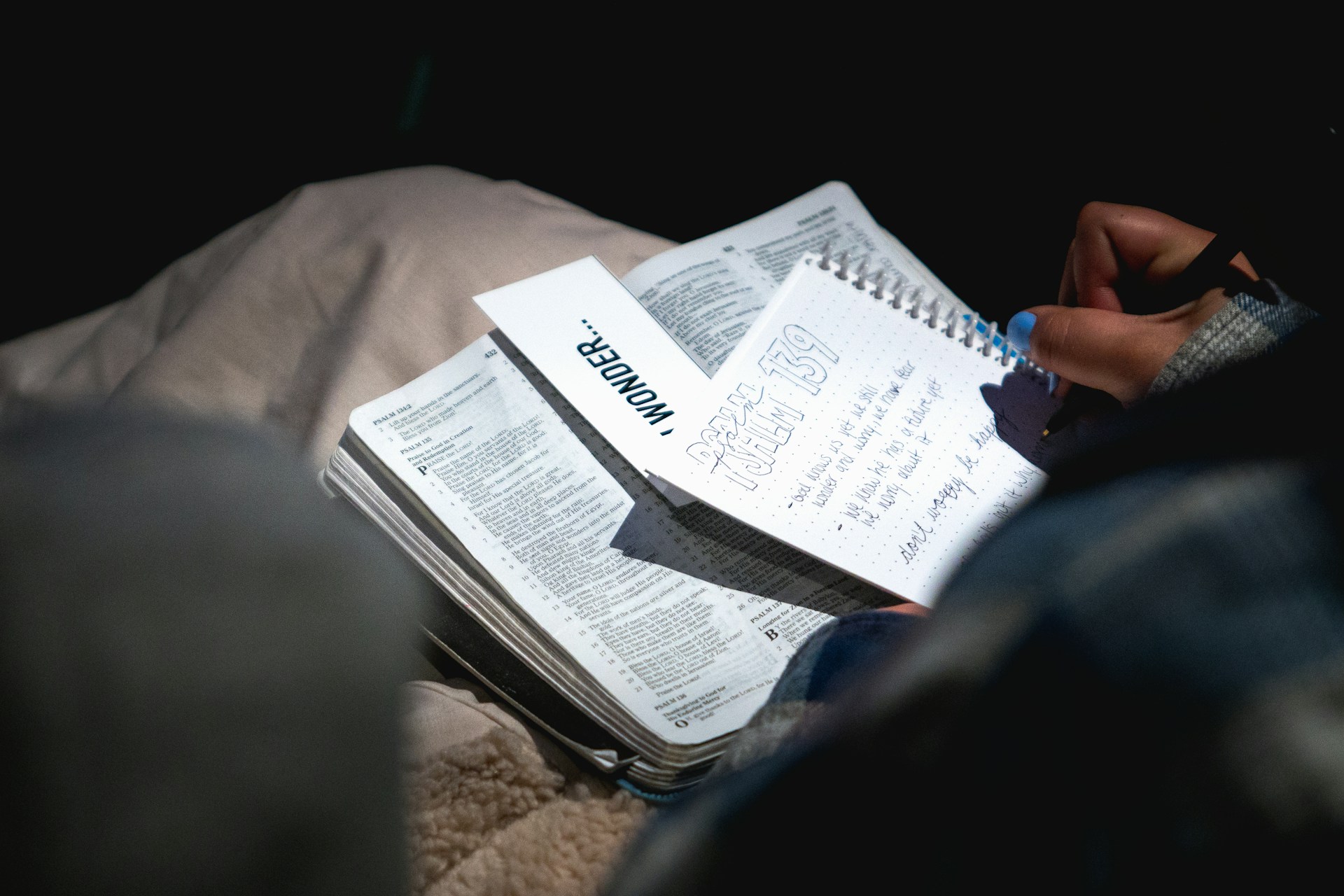
5 Day Devotional
This five-day devotional is a spiritual “reset” that helps you align your choices with what you already know to be true. Each day will move from God’s desire for your whole well-being to practical, faith-filled steps that honor your body as His temple. As you reflect, ask God for honesty, courage, and consistency to make healthy choices that support your calling.
Day 1
3 John 1:2
God’s heart is not limited to your spiritual life alone—He cares about your whole well-being. In this verse, we see a picture of wholeness: that things would go well, that you would be in health, and that your soul would prosper. The sermon reminded us that a healthy body matters because it helps you enjoy what God has given and pursue what God has called you to do.
A “reset” starts with recognizing where you are, not where you wish you were. It’s easy to say, “I want to be healthier,” but lasting change begins with truth—an honest baseline of what’s happening in your body, habits, and routines. Invite God into that assessment, not with shame, but with hope: the same God who strengthens your spirit can also guide your choices for your health.
- Where do you most desire a “reset” right now—energy, eating, movement, sleep, stress, or something else?
- What is one honest baseline marker you can check this week (e.g., blood pressure, steps, bedtime consistency, water intake)?
- In what ways have you separated “spiritual life” from “body life,” and what would wholeness look like for you?
- Pray specifically for wisdom to see where you are and courage to take the next right step.
- Write one sentence finishing this phrase: “If my soul prospered and my body followed, my life would look like…”
Day 2
1 Corinthians 6:19-20
Scripture teaches that your body is the temple of the Holy Spirit. That means your physical life is not spiritually neutral; it is a sacred stewardship. The sermon emphasized the privilege of “carrying God,” and that privilege calls for honor, dignity, and respect in how you treat your body.
Seeing your body as a temple changes the motivation behind healthy choices. It’s not about perfection, comparison, or guilt—it’s about worship and stewardship. When you choose what builds strength, supports healing, and reduces harm, you are caring for the place where God’s presence dwells and preparing yourself to serve with greater freedom.
- What habits currently communicate honor to God’s temple, and what habits communicate neglect?
- Name one way you can “guard and protect” your body this week with a specific action you can measure.
- What is one area where you need to replace guilt with stewardship and worship?
- Is there a choice you keep excusing that you wouldn’t excuse if you truly believed your body is God’s temple?
- Take five minutes to pray: “Holy Spirit, show me one change that honors You in my body,” and write what comes to mind.
Day 3
James 1:22
The sermon challenged a common gap: knowing better does not automatically lead to doing better. Knowledge without action can create circles of frustration—reading, learning, agreeing, but never changing. God’s Word calls us to be doers, not merely hearers, because obedience is where truth becomes life.
Small choices repeated consistently become spiritual and physical formation. You don’t have to overhaul everything today, but you do need to move from intention to action. Ask God for a simple, sustainable step that matches your season, then treat it as an act of faithfulness rather than a temporary burst of motivation.
- Where do you have plenty of knowledge but little follow-through (food, movement, sleep, medical checkups, stress habits)?
- What is one “next right action” you can take within 24 hours that matches what you already know?
- Identify one barrier that keeps you from doing better (time, emotions, convenience, discouragement). What is a realistic workaround?
- Choose one habit to practice for the next seven days and define what “success” looks like in a single sentence.
- Tell God honestly where you feel stuck, and ask Him for grace to be consistent rather than extreme.
Day 4
1 Timothy 4:8
The Bible affirms that bodily exercise has profit, even if it isn’t the highest priority. The sermon clarified that “profits a little” does not mean “profits nothing”—it means physical training has real value, while godliness has value for every part of life, now and forever. The goal is not to idolize health, but to integrate it under God’s leadership.
When you pursue godliness, you don’t ignore your body—you bring your body into alignment with your calling. A healthier body can mean more stamina for service, clearer thinking for decisions, and more resilience in hardship. Think of movement, nourishment, rest, and wise medical care as supportive tools that help you show up for what God has assigned to you.
- How can you pursue bodily health without turning it into an idol or a source of pride?
- What kind of movement is most realistic for your current season (walking, stretching, strength training, mobility, sports)?
- What is one way improved health could increase your ability to fulfill your calling or serve others?
- Plan one specific, scheduled action this week that supports health (a walk, meal prep, earlier bedtime, appointment).
- Ask: “Lord, what does balanced godliness look like in my body?” Write a short personal definition.
Day 5
Proverbs 4:20-22
A reset is not just a moment; it becomes a new direction. The sermon used the picture of navigation: you can’t get to a destination without knowing your current location. God’s wisdom invites you to pay attention—to His Word and to the realities of your body—because His truth brings life and health when it is received deeply and practiced faithfully.
Choose one or two life-giving “routes” to stay on after this week: a consistent check-in, a wiser pattern, or a supportive community step. Instead of chasing quick fixes, focus on steady practices that help your body recover and repair over time. God can use simple daily faithfulness—one choice at a time—to reshape your health and strengthen your capacity to live with purpose.
- What is one baseline insight you’ve gained this week about where you currently are?
- Which two choices will you commit to for the next 30 days, and how will you track them?
- Who can support your reset (friend, spouse, small group, coach, doctor), and what will you ask of them?
- What is one unhealthy pattern you will replace, and what is the specific replacement behavior?
- Pray a closing commitment: “Lord, I receive Your wisdom for health, and I will honor You with my choices,” then write one sentence describing your next step.

Parent Guide
This guide is meant to equip you with discussion questions and conversation starters that you can use throughout the week to continue the conversation about what you and your kids learned on Sunday.
Sermon Summary
In case you missed it, or if you just need a refresher, here’s a quick summary of what we talked about this week in the sermon:
In the sermon “Reset Your Health,” Koye Sanni emphasizes the importance of living a healthy lifestyle to fulfill God’s purpose, highlighting that knowledge alone is insufficient without action. Drawing from 3 John 1:2, he urges believers to honor their bodies as temples of the Holy Spirit, advocating for choices that promote both spiritual and physical well-being.
Conversation Starters
These are things you can talk about with your kids to help further the conversation about what they may have learned on Sunday.
How have you seen the gap between “knowing” and “doing” show up in your own health habits, and what tends to keep you stuck in circles even when you have good information?
Many of us already know what is wise, but patterns, comfort, stress, and environment can override knowledge. Talking through specific moments when you chose convenience over conviction can help reveal what triggers you. From there, the group can brainstorm one realistic next step that turns knowledge into action.
What does it mean to you personally that God cares about your body as well as your spirit, and how might that change the way you view everyday choices like food, rest, and exercise?
3 John 1:2 connects spiritual well-being with physical health, suggesting they are not competing priorities. Seeing your body as something God values can shift health from vanity or guilt into stewardship. It can also reframe small habits as spiritual acts of honor and gratitude.
In what ways does viewing your body as “the temple of the Holy Spirit” challenge or encourage you, and what would honoring that temple look like in your current season of life?
This image invites respect, care, and protection rather than shame or perfectionism. Honoring the temple may look different by season—consistent sleep, saying no to excess, taking walks, or seeking medical help when needed. The goal is faithful care with humility, not a flawless lifestyle.
What is your “baseline” right now—where are you truly starting from physically—and how can honest self-assessment help you create a workable plan instead of just a wish to be healthy?
The sermon compares health change to GPS: you can’t get directions without a current location. A baseline could include energy levels, eating patterns, lab results, movement, or stress load—facts, not feelings. Naming reality without denial or condemnation helps you set specific, measurable next steps.
What choices are you being presented with right now that could lead to a “health reset,” and how can your community or church family support you in following through?
A reset often begins with a pause and a decision—swapping one habit, building a routine, or learning healthier alternatives. Community support can be practical (accountability, shared meals, walking partners) and spiritual (prayer, encouragement, wisdom). Discussing support out loud helps move health from private struggle to shared growth.
Reset your Health 1 -11 -2026: Group Leader Guide
Dr Koye Sanni

Sermon Recap 🎬️
The main message of the sermon emphasizes the importance of aligning our actions with the knowledge we possess, particularly concerning our health. The speaker uses 3 John 1:2 to highlight the desire for prosperity in both spiritual and physical health. The sermon stresses that knowing the right things to do, such as eating healthy and exercising, is not enough unless one acts on this knowledge. The body is described as a temple of the Holy Spirit, deserving of care and respect.
The sermon encourages taking responsibility for one’s health, noting that a healthy body is crucial to fulfilling God’s purpose. Choices about diet and lifestyle are crucial, as they affect the body’s ability to function and serve. The speaker likens awareness of health to a “reset,” encouraging a reflection on one’s current state to make informed, healthy decisions. The importance of not being superficial in understanding health but going deeper into meaningful changes is underscored.
Overall, the message is about the necessity of making intentional, respectful choices regarding our physical well-being to live a long, prosperous life that honors God.
“Respect the temple of the Holy Spirit.”
Discussion Questions 💬
How have you experienced the gap between knowing what is healthy and actually choosing what is healthy, and what do you think is usually happening in your heart or routines when that gap shows up?
Many of us have information but don’t have systems, accountability, or conviction strong enough to turn knowledge into action. It can help to name the real blockers—stress, comfort, busyness, emotions, or habits—and invite God into that specific area rather than keeping it vague.
What does it mean to you personally that your body is the temple of the Holy Spirit, and how might that belief reshape the way you eat, rest, move, and manage stress this week?
Seeing the body as a temple turns health from vanity into stewardship and worship. It reframes everyday choices—sleep, food, exercise, boundaries—as ways of honoring the One who lives in us, not just chasing a number on a scale.
What “baseline” do you need to honestly identify in your health right now so you can stop “going in circles,” and what practical step would help you face that baseline without shame?
A baseline could be habits, medical markers, energy levels, or patterns like emotional eating and inconsistent rest. Bringing it into the light—through a checkup, tracking, or trusted counsel—creates clarity, and clarity makes change measurable and realistic.
How do you connect your physical health to your ability to fulfill God’s purpose, and what purpose-driven motivation might strengthen your resolve to make different choices?
The sermon highlights that accomplishment without health can become futility because you can’t fully enjoy or sustain what God calls you to do. When you link health to service, family, longevity, and spiritual assignment, discipline becomes a mission instead of mere self-improvement.
What “reset” might God be inviting you into—one pause, one boundary, or one new habit—and how can this group help you move from being a hearer to a doer?
A reset can be a simple, focused change: adjusting one meal pattern, adding consistent movement, improving sleep, or reducing sugar and stress triggers. Community support can turn intentions into follow-through through prayer, check-ins, shared goals, and honest conversations about setbacks.
Prayer 🙏
May we honor our bodies as treasured temples by making daily choices that align with the Spirit’s wisdom, not just our stored knowledge.
May we move from being forgetful hearers to consistent doers by taking one concrete step this week toward healthier eating, movement, rest, and recovery.
May we humbly establish an honest baseline of where we are—habits, numbers, and rhythms—so we can take clear, guided steps toward where we want to go.
May we strengthen our resolve to “reset” when needed, pausing long enough to choose what supports long life, clear purpose, and joyful service.
May we pursue wholeness in body, soul, and spirit, believing that thriving health helps us fulfill our calling and fully enjoy the fruit of our labor.
Reset Your Health