The sermon emphasizes the profound importance of internal vision in shaping our lives. It begins by underscoring that what we see influences our decisions, self-perception, and life direction. Drawing from Habakkuk 2:2, the speaker highlights the necessity of writing down visions clearly, as this brings clarity and aids in manifesting them.
The main message focuses on the concept that true “seeing” happens internally. Spiritual visions should not be swayed by external circumstances, as they guide believers to live by faith rather than by sight. This internal vision inspires faith or fear and affects our ability to accomplish goals.
By citing examples from the Bible, such as the stories of Jeremiah, Amos, and Abraham, the sermon reinforces the idea that seeing with the “eye of the spirit” is essential. It suggests that vision needs to be written down to clarify and act upon it effectively, and cautions that confusion and fear can distort this vision.
The concluding thought encourages holding onto one’s vision through difficulties, using the example of Abraham to illustrate how a God-given vision ultimately comes to fruition despite delays. The sermon encourages believers to maintain faith in their spiritual visions regardless of external delays or challenges.
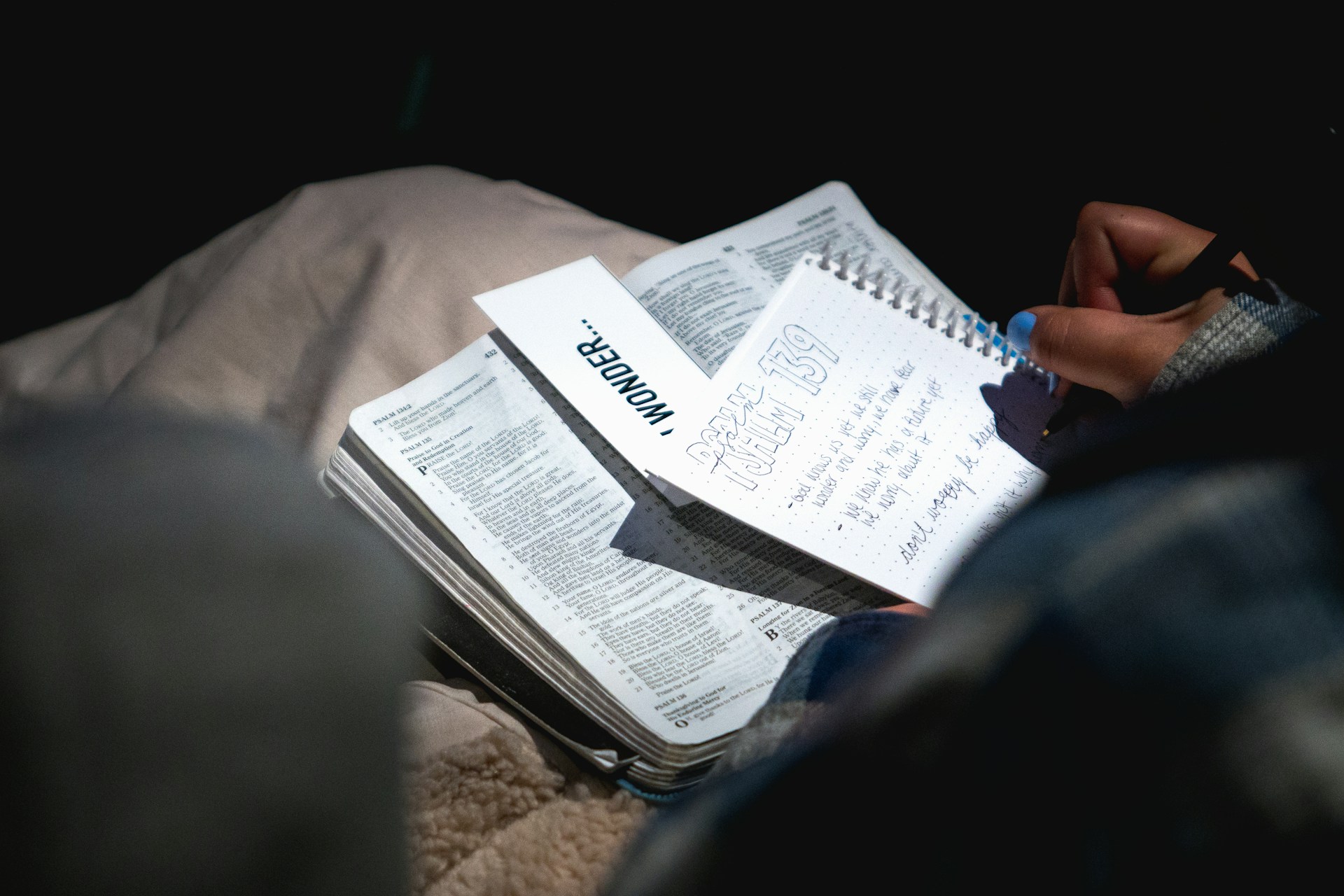
5 Day Devotional
This five-day devotional invites you to examine what is shaping your inner life—what you are truly seeing with the eyes of your heart. As you reflect, you’ll practice aligning your internal vision with God’s Word, learning to write it down, guard it from fear and confusion, and remain faithful through delay.
Day 1
Jeremiah 1:11
God’s question to Jeremiah is simple but searching: “What do you see?” The sermon reminds us that what we behold internally will drive our decisions, emotions, confidence, and direction. Many of us react to life based on what is loudest in front of us, but God often begins transformation by addressing our perception—what we are holding in our mind’s eye.
Ask yourself today whether your inner picture is being painted by God’s promises or by your current circumstances. External realities matter, but they are not meant to be the final authority over your identity or your future. When God asks what you see, He is inviting you to become honest about what has been forming your expectations and shaping your pursuit.
Begin with awareness. Name what you’ve been seeing—about yourself, your family, your calling, your finances, your health, your future. Then ask the Lord to reframe your vision so that your inner picture agrees with His Word, not merely with your environment.
- What have you been “seeing” most often lately—fear, limitation, possibility, or God’s promise?
- How has what you’re seeing influenced a recent decision you made?
- Where are you allowing external circumstances to define your inner expectations?
- Pray and ask God: “Lord, what do You want me to see about this situation?” Write what comes to mind.
- Identify one lie you’ve been seeing about yourself and replace it with a specific biblical truth you can hold onto.
Day 2
2 Corinthians 5:7
Scripture teaches that we “walk by faith, not by sight,” and the sermon clarifies that this isn’t denial of reality—it’s a different kind of seeing. Physical sight reports what is; faith perceives what God has said and what God is doing even when it is not yet visible. If your external world doesn’t match what God has spoken, the goal is not to pretend, but to keep your inner image anchored to His Word.
Today’s challenge is learning to live from the inside out. When your inner vision is constantly repainted by bad news, comparison, or past failures, you will begin to retreat, shrink, and settle. But when faith becomes the “canvas of your heart,” you start moving differently—praying differently, planning differently, serving differently—because you’re responding to God’s promise, not to your panic.
Faith-filled vision does not ignore obstacles; it refuses to let obstacles rewrite the promise. Ask God to strengthen your spiritual sight so you don’t surrender the inner picture He is forming just because the outer picture is unfinished.
- Where do you feel the strongest pull to live by “sight” instead of faith right now?
- What promise from God’s Word do you need to elevate above what you’re currently observing?
- How would your daily habits change if you truly believed God is at work in this area?
- Choose one situation and practice speaking a faith-based perspective over it in prayer today.
- What is one practical step you can take this week that aligns with faith rather than fear?
Day 3
Habakkuk 2:2
God told Habakkuk to “write the vision… make it plain,” and the sermon highlights why: writing brings clarity, stewardship, and movement. When vision stays only in your head, it can shift with your emotions—clear one day, confusing the next. Putting it in writing forces you to face what you actually believe God is saying and helps you see where your thinking is vague or unrealistic.
Writing also prepares you for opportunity. When God connects you with people, resources, or timing that can help, clarity matters. A written vision can be shared, prayed over, refined, and acted upon. It turns inspiration into direction, and direction into a plan.
Today is about partnering with God through intentionality. You are not trying to control the future; you are learning to steward what God has shown you. Write what you’re seeing, make it simple enough to follow, and let the written vision become a reference point when confusion tries to blur the picture.
- What has God been showing you that you’ve only kept “in your head” until now?
- Write a one-sentence vision statement for one key area of your life (spiritual, family, career, ministry, health).
- What part of your vision feels unclear or confusing? What question do you need to ask God for clarity?
- Who is a wise person you could share your written vision with for prayer and counsel?
- What is one small action step you can take in the next 48 hours that supports what you wrote?
Day 4
2 Timothy 1:7
The sermon warns that fear distorts vision and confusion blurs it. Fear often paints the worst-case scenario and then asks you to live as if that outcome is guaranteed. Confusion scatters your focus so you keep starting, stopping, and second-guessing. But God does not lead His people through intimidation—He strengthens them with power, love, and a sound mind.
A sound mind doesn’t mean you never feel afraid; it means fear doesn’t get to be your director. When you recognize fear’s voice—“You can’t do it,” “It’s too much,” “You’ll fail,” “It’s too late”—you can confront it with truth and return to what God has shown you. This is how you guard the inner image from being overwritten.
Today, practice spiritual resistance. Refuse to let anxiety repaint your future. Ask the Holy Spirit to restore love where you’ve grown cold, courage where you’ve grown hesitant, and clarity where you’ve grown scattered. Then revisit what you wrote and hold it before God in prayer.
- What fearful thought has been most persistent in trying to rewrite your vision?
- How has fear changed your behavior—avoidance, procrastination, people-pleasing, or control?
- Name one truth about God’s character that directly contradicts your fear (faithfulness, wisdom, provision, presence).
- What boundary do you need to set to reduce confusion (overcommitment, distractions, unhealthy voices)?
- Pray today: “Lord, give me power, love, and a sound mind,” then take one brave step you’ve been avoiding.
Day 5
Hebrews 10:36
Delay tests vision, but delay is not denial. The sermon points to Abraham: God showed him a future that did not match his present, and time exposed what he truly trusted. Waiting seasons can tempt you to take shortcuts, compromise, or settle for a version of the promise that doesn’t require endurance. Yet Scripture teaches that endurance is how we receive what God has promised.
In a delayed season, the question becomes: will you keep seeing what God showed you, or will you let time and disappointment redraw the picture? Endurance isn’t passive; it is active faith—continuing to pray, continuing to obey, continuing to prepare, continuing to become the person who can carry what God will give. Waiting is often where God forms your character to match your calling.
Today, renew your commitment to God’s process. Review the vision, reaffirm God’s promise, and ask for strength to keep moving forward without rushing ahead. The vision will “speak” in its time, and your steady faith will keep you ready when that time arrives.
- Where are you experiencing delay right now, and how has it been affecting your faith?
- What shortcut are you tempted to take in order to avoid waiting or discomfort?
- What would faithful endurance look like this week in that specific area?
- Write a brief prayer surrendering your timeline to God while reaffirming your trust in His promise.
- Identify one way God may be using this season to shape your character, and choose a practice that supports that growth.

Parent Guide
This guide is meant to equip you with discussion questions and conversation starters that you can use throughout the week to continue the conversation about what you and your kids learned on Sunday.
Sermon Summary
In case you missed it, or if you just need a refresher, here’s a quick summary of what we talked about this week in the sermon:
Your life will follow what you “see” in your heart, so don’t let external circumstances rewrite the internal vision God has shown you. Like Habakkuk teaches, write the vision plainly for clarity and action, and keep holding to it through fear and delay—because delay is not denial.
Conversation Starters
These are things you can talk about with your kids to help further the conversation about what they may have learned on Sunday.
How do your current “external” circumstances shape what you are seeing internally, and what practices help you keep God’s vision from being overwritten by fear or confusion?
The sermon highlights the tension between physical sight and “heart sight,” where circumstances can try to repaint the inner canvas. Discuss specific triggers that distort your inner picture (delay, criticism, lack), and name habits that protect it—prayer, Scripture, wise counsel, and deliberately rehearsing what God has spoken.
What is a vision or calling you sense God has shown you, and what would it look like to “write it plainly” in a way that brings clarity and action?
Writing makes the vision concrete: it exposes vague thinking and turns inspiration into steps. Talk about what you would write—purpose, priorities, next actions, timelines, and who it’s for—so that someone else could understand it and you could measure progress.
Why do you think delay tests vision so intensely, and how can you remain faithful in the waiting without taking unhealthy shortcuts like Abraham did?
Delay creates pressure to interpret silence as denial, which can lead to control, compromise, or rushing outcomes. Share what “shortcuts” look like in your context (relationships, finances, ethics, ministry), and identify ways to wait actively—preparing, growing character, and trusting God’s timing.
What are you “seeing” about yourself right now, and how is that self-image influencing your decisions, motivation, and spiritual confidence?
The sermon teaches that what you see affects how you live and what you pursue, including how you feel about yourself. Explore where your self-image came from (God’s Word, past failures, family narratives), and what needs to change so your choices align with faith rather than fear.
How could your group or community help one another steward vision—bringing clarity, accountability, and encouragement—so that everyone can “run with it”?
Vision thrives with support: people who ask good questions, help refine plans, and remind you of what God said when you’re discouraged. Discuss practical rhythms like sharing written goals, praying over one another’s vision, offering feedback, and celebrating small milestones along the way.
What do you see 1 – 4 – 2026: Group Leader Guide
Sermon Recap 🎬️
What you “see” internally will shape how you live externally. The sermon emphasizes that the picture you hold in your heart—your spiritual vision—drives your decisions, your emotions, your self-image, and the direction of your life. God repeatedly asked His prophets, “What do you see?” because vision is not just about physical sight; it is about what you are beholding in your spirit and believing in your heart.
Using Habakkuk 2:2 (“write the vision and make it plain”), the message explains that vision must be made clear and specific. Writing down what God is showing you brings clarity, reduces confusion, and helps you steward the vision into practical action. If opportunity comes and nothing is written, you may miss the moment because you cannot clearly communicate or execute what you’re pursuing.
The sermon also warns not to let external circumstances rewrite the internal image God has given you. Physical realities may not match what God has shown you yet, but believers are called to “walk by faith and not by sight,” meaning the “seeing” that matters is internal—seeing with the heart. What you focus on can produce either fear or faith: fear distorts vision, confusion blurs it, and delay tests it—but delay is not denial.
Finally, the sermon points to Abraham as an example of holding onto what God showed him even when fulfillment took time. The encouragement is to keep the God-given vision in front of you, write it down, make it plain, refuse shortcuts born from doubt, and live in a way that aligns with what God has shown you—not merely with what you can currently see.
If you have not seen it in your heart, you cannot experience it physically.
Discussion Questions 💬
How do the “pictures” you carry in your mind’s eye shape your daily choices, emotions, and sense of identity right now?
Discuss specific areas—work, relationships, finances, spiritual life—where your internal vision is driving your behavior. Notice whether your inner picture produces faith (movement, courage, discipline) or fear (avoidance, shame, delay), and what that reveals about what you are truly “seeing.”
What is one vision you believe God is showing you, and what would it look like to write it down in a way that is clear, specific, and actionable?
Talk about turning a general desire into a “plain” statement—what it is, why it matters, and what steps are required. Writing can expose confusion or wishful thinking, but it can also create clarity and help you invite wise feedback and support from others.
When your external circumstances don’t match what you believe God has shown you internally, what practices help you stay anchored without ignoring reality?
Explore the tension between “living by faith” and facing facts, and how to keep the inner image from being rewritten by setbacks. Consider practices like prayer, Scripture meditation, journaling the vision, seeking counsel, and taking small consistent actions that align with what you believe.
What kinds of confusion, fear, or delay have the most power to blur your vision, and how can you respond to each one in a healthy, faith-filled way?
Name the patterns: overthinking, comparison, pessimistic self-talk, past failures, or impatience with timing. Then discuss concrete responses—clarifying the plan in writing, breaking goals into steps, replacing lies with truth, and remembering that delay tests vision but doesn’t automatically cancel it.
Where are you most tempted to take shortcuts when the vision feels slow, and what would trusting God’s process look like in that area?
Use Abraham as a mirror: impatience can produce alternatives that create new problems. Talk about what “shortcuts” look like for you—rushed decisions, compromised integrity, unhealthy relationships—and what obedience, patience, and wise pacing would look like instead.
Prayer 🙏
- May we cultivate an inner vision shaped by faith, refusing to let external circumstances rewrite what we carry in our hearts.
- May we take time to write down what God is showing us, seeking clarity that turns inspiration into concrete next steps we can actually follow.
- May we notice when fear or confusion distorts our perspective, and choose practices that steady us—reviewing the vision, getting wise counsel, and acting with courage.
- May we persevere through delay without calling it denial, continuing to live in alignment with the vision even when results take longer than expected.
- May we examine what we are truly beholding day by day, and intentionally set our minds on what leads to life, purpose, and faithful decisions.
Rewatch the Sermon 📼