The sermon calls believers to a “faith reset” by shifting from outcome-based faith to Christ-centered faith. It begins with Jesus in Gethsemane praying, “Father, if it is possible, let this cup pass,” showing that even Jesus faced a moment where the suffering felt overwhelming. Yet Jesus surrendered: “Not my will, but Your will be done.” The message is that real faith is anchored in God’s person and character, not in getting the result we want.
Many people measure faith by whether life turns out as expected—healing happens, bills get paid, relationships work out, immigration issues resolve, or crises end quickly. But when outcomes don’t change, discouragement often follows. The sermon explains that this discouragement is not proof that God has failed; it often reveals that our confidence was placed in a desired result instead of in Christ Himself.
Using Hebrews 11:1 (“faith…is the evidence of things we cannot see”) and the idea that no other foundation can be laid except Jesus, the speaker emphasizes that faith should start with Christ and remain rooted in Him. God remains God whether or not our prayers produce the outcome we hoped for, because He is sovereign and unchanging.
The sermon also challenges common reactions in hardship: many “reach for control” by over-planning, trying to fix everything, numbing pain, or demanding explanations. Instead, believers are urged to reach for God—trusting His fatherly care even when they cannot see how things will work out. A personal story of financial hardship and walking miles to church highlights how faith grows when someone refuses to conclude that “God cannot help me.”
Ultimately, the core point is that Jesus came first to address humanity’s deepest problem—sin and separation from God—and everything else people chase (money, status, comfort) is secondary. Our status is not defined by titles or possessions but by relationship with Christ. When confidence is in Jesus rather than in outcomes, peace and endurance increase, because knowing Him becomes the foundation—and in knowing Him are the answers, provision, and direction we truly need.
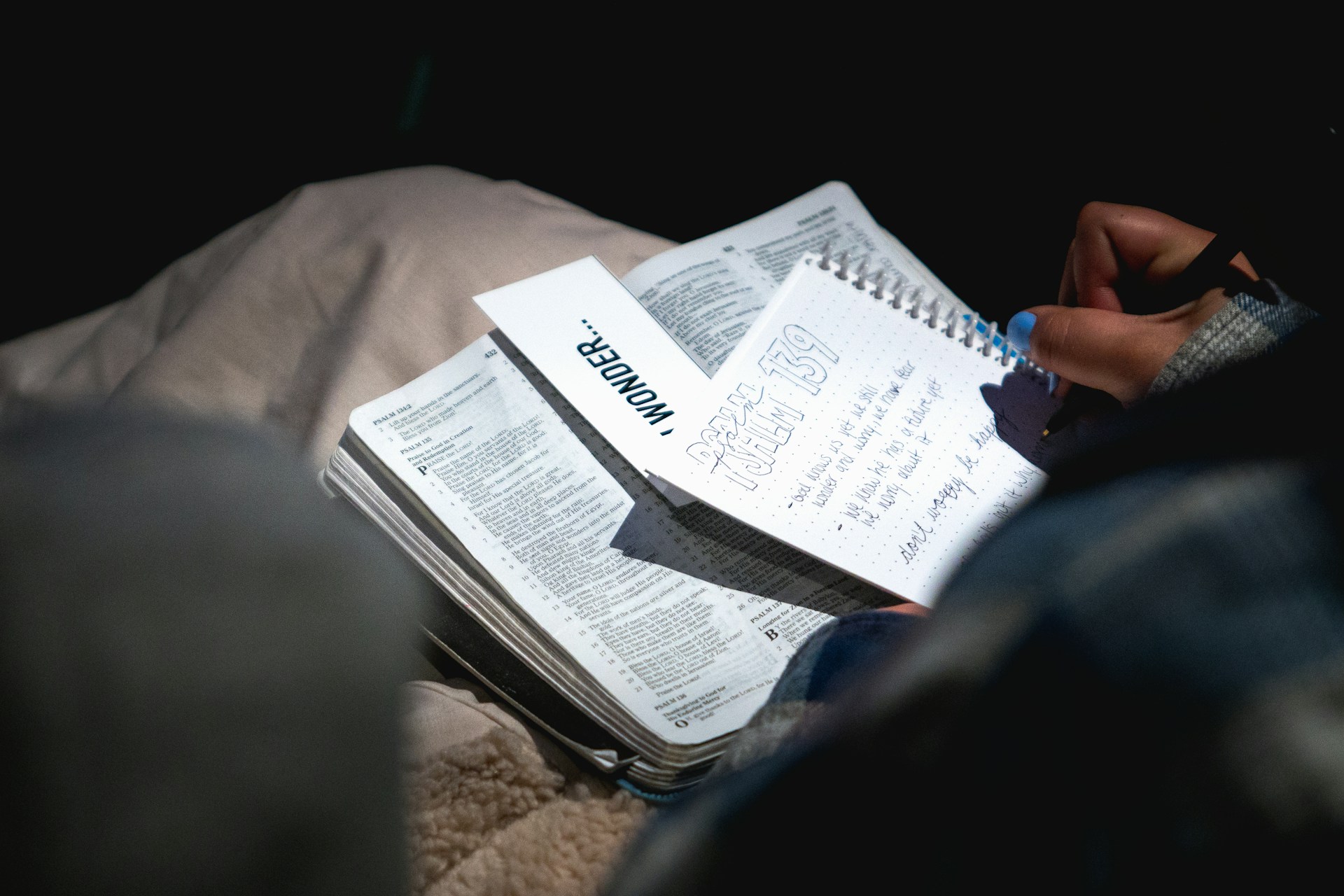
5 Day Devotional
This devotional is a five-day journey to reset your faith from being outcome-driven to being Christ-centered. You will explore how Jesus models surrendered trust, how God remains faithful in uncertainty, and how a deeper knowledge of Christ stabilizes you when life feels out of control. Each day will invite you to anchor your confidence in God’s person, not merely His answers.
Day 1
1 Corinthians 3:11
Faith can quietly drift from being centered on Jesus to being centered on results. When life is stable, it is easy to confuse “God is good” with “things are going my way,” but pressure reveals what we are truly standing on. A faith reset begins by returning to the only foundation that holds when outcomes disappoint: Jesus Christ Himself.
If your confidence rises and falls with your circumstances, you will feel spiritually shaken every time the bottom seems to give way. But when Christ is your foundation, you can be honest about the pain of unmet expectations without losing the God you trust. The goal is not denial of hardship; it is a deeper anchoring—choosing the Person of Christ as your stability before you ask Him to change your situation.
- Where have you noticed your faith becoming tied to a specific outcome rather than to Jesus Himself?
- What situation is currently testing your foundation, and what does it reveal about what you’re standing on?
- Write a simple prayer that re-centers your trust on Christ, even before you mention your request.
- Identify one habit (worry, control, avoidance) that shows you are leaning on something other than Jesus.
- What would change today if you treated Christ—not the outcome—as your unshakable ground?
Day 2
Matthew 26:39
Jesus shows us that Christ-centered faith is not the absence of struggle; it is surrendered trust in the middle of it. In Gethsemane He voiced the desire for another way, yet He placed His deepest confidence in the Father’s will. A faith reset gives you permission to be honest about what hurts while still yielding your life to God’s wisdom and purposes.
Outcome-based faith says, “If God does what I want, then I’ll trust Him.” Christ-focused faith says, “Because I trust Him, I can release what I want.” Surrender is not giving up on God’s power; it is giving up the demand that your preferred path is the only faithful path. When you can pray, “Not my will, but Yours,” your faith becomes resilient—rooted in relationship rather than results.
- What “cup” are you asking God to remove right now, and how have you been carrying it?
- How do you typically respond when God’s timing or answer differs from your expectation?
- Pray honestly today: tell God what you want, then explicitly surrender the outcome to His will.
- Name one area where surrender feels like loss; ask God to show you how surrender can become trust.
- What is one decision you can make today that reflects yielded obedience rather than anxious striving?
Day 3
Hebrews 11:1-2
Faith is not pretending you can see what you cannot see; it is trusting God’s reality when your circumstances argue otherwise. The sermon emphasized that many of us hope for specific outcomes and then measure faith by whether they happen. Hebrews reframes the issue: faith is evidence, confidence, and assurance—rooted in what God has said and who God is, even when you cannot yet verify it with results.
A faith reset teaches you to hold hope without making hope your god. You can pray boldly, plan wisely, and still live with peace because your confidence is anchored deeper than circumstances. When your faith is in Christ, you can move forward with integrity, patience, and courage—knowing that the unseen work of God is not less real than what you can currently measure.
- Where are you demanding “proof” before you will trust God, and what would it look like to trust Him first?
- What promise or truth about God (His character, His presence, His care) do you need to rehearse today?
- List two things you can’t see right now but are choosing to believe God is doing in your life.
- What practical step of obedience can you take this week even if the outcome remains uncertain?
- How can you distinguish between biblical hope and outcome-control in your prayers and expectations?
Day 4
Matthew 6:31-33
Jesus contrasts anxious striving with confident sonship. He teaches that the Father already knows what you need, which means your needs do not have to become your master. The sermon reminded us that many people reach for control—calculating, scrambling, numbing pain—when life feels time-bound or overwhelming. A faith reset begins when you recognize that you are not the provider; God is your Father.
Seeking first the kingdom does not ignore real bills, diagnoses, or relational pain; it reorders them. You pursue God’s reign and His righteousness as your primary aim, trusting that your Father will supply what fits His purpose and timing. When your identity is rooted in relationship with Christ, your status is no longer defined by outcomes, titles, or possessions—it is defined by belonging to Him.
- When pressure rises, what is your first reflex: prayerful trust or frantic control? Be specific.
- What is one “need” that has started to function like a ruler over your emotions and decisions?
- Choose one concrete way to seek God’s kingdom today (prayer, generosity, reconciliation, service).
- What would it look like to treat God as Father in your current situation rather than treating Him as a last resort?
- Write a sentence completing this: “Even if the outcome I want doesn’t happen, I will still ______ because Christ is ______.”
Day 5
Philippians 3:8-10
The sermon’s central invitation was simple but costly: that you may know Him. Paul described a life where knowing Christ outweighed every other gain, and that perspective reshapes what you call success. When outcomes define you, disappointment can crush you; but when Christ defines you, hardship becomes a place where intimacy with God can deepen and your life can mature.
A faith reset does not minimize your desires; it puts them in their proper place. The more you know Christ—His heart, His ways, His promises—the more you discover that the answers you crave are found in Him, even before circumstances change. As your relationship with Jesus becomes your foundation, you can live with steady courage: praying, working, and waiting without being controlled by fear, shame, or the pressure to make everything happen yourself.
- How would you describe “success” in your life right now, and how might Christ redefine it?
- What is one area where you know about Jesus but want to genuinely know Him more personally?
- Set a simple plan for the next 7 days to pursue knowing Christ (Scripture, prayer, worship, community).
- Where do you fear shame, failure, or disappointment most, and how can knowing Christ address that fear?
- What is one outcome you need to release today so you can pursue deeper intimacy and obedience to Jesus?

Parent Guide
This guide is meant to equip you with discussion questions and conversation starters that you can use throughout the week to continue the conversation about what you and your kids learned on Sunday.
Sermon Summary
In case you missed it, or if you just need a refresher, here’s a quick summary of what we talked about this week in the sermon:
The sermon calls for a “faith reset”: anchoring your faith in Jesus Himself—not in getting the outcome you want—because God remains God even when prayers don’t pan out. Like Christ in Gethsemane, we can bring our honest desires to God while still surrendering to “not my will, but Yours,” trusting His unchanging character in every hardship. When life feels out of control, the goal is to know Him more, because everything you truly need is found in Christ.
Conversation Starters
These are things you can talk about with your kids to help further the conversation about what they may have learned on Sunday.
How have you noticed your faith becoming tied to outcomes, and what would it look like for your faith to be anchored in Jesus even when the result is disappointing?
Many of us measure “successful faith” by whether life turns out the way we hoped, but the sermon pushes us to measure faith by relationship and trust in Christ. Talk about a recent situation where the outcome didn’t happen and how that affected your view of God. Explore what practices or perspectives help you stay connected to Jesus when you don’t get what you want.
What “cup” are you asking God to remove right now, and how does Jesus’ prayer in Gethsemane reshape the way you bring that request to the Father?
Jesus was honest about the weight of suffering, yet He surrendered to the Father’s will, showing that real faith can include both lament and trust. Discuss how to pray with honesty without turning prayer into a demand for a specific outcome. Consider what it means to say, “Not my will, but yours,” without losing hope.
When life feels like it’s slipping out of control, what do you tend to reach for first—control, distraction, explanations, or God—and why?
The sermon names common responses: trying to fix everything, numbing pain, or searching for answers, all of which can quietly replace dependence on God. Share what your default reaction reveals about what you believe will save you in the moment. Then talk about what it would look like to “reach for God” in practical, concrete ways during pressure.
What does it mean in your everyday life that “faith begins with Christ” and that no other foundation can hold you up (1 Corinthians 3:11)?
A Christ-centered foundation means your identity, security, and confidence are built on who Jesus is, not on stability in finances, relationships, health, or status. Discuss the foundations you’re most tempted to rely on and how they fail under stress. Identify one area where you want to rebuild your trust on Christ rather than on performance or circumstances.
What would a personal “faith reset” look like for you this week, and what specific change would help you live like God is Father—not just a problem-solver?
A faith reset is a shift in perspective: trusting God’s character and presence even when you don’t see immediate answers. Talk about one habit you could change—how you pray, how you make decisions, how you handle fear—to reflect confidence in God as Father. Consider how remembering God’s sovereignty can bring peace without minimizing your real needs.
Faith Reset 04-12-2026: Group Leader Guide
Sermon Recap 🎬️
The sermon calls believers to a “faith reset” by shifting faith from being outcome-based to being Christ-based. Using Jesus’ prayer in Gethsemane (“Father, if it is possible, let this cup pass… yet not my will, but yours be done”), the message explains that even Jesus faced a moment where the path ahead felt overwhelming, but He anchored Himself in the Father rather than in a preferred result. In the same way, many Christians become discouraged when they have prayed, fasted, and trusted God, yet the outcome they expected does not happen.
The core point is that God is still God regardless of what happens, and faith must be rooted in a Person—Jesus Christ—not in a specific answer, timeline, or result. Hebrews 11:1 is used to show that faith is confidence in what is hoped for and evidence of what is unseen, meaning faith is not driven only by what can be measured or controlled.
The sermon describes how trouble exposes what we truly reach for: some reach for control, constant strategizing, or coping mechanisms that numb pain; others demand explanations; but mature faith reaches for God Himself. The speaker shares personal hardship (financial pressure, walking long distances to church without resources) and how a key realization strengthened him: fear grows when you believe the situation will destroy you, bring shame, or when you conclude God cannot help—but faith rises when you draw the line and declare that God can help and God remains faithful.
The message also corrects a common mindset: thinking faith is “successful” only when it produces the desired outcome. Instead, believers are called to say, “I may be lacking, hurting, or uncertain—but my aim is to know Him.” Knowing Christ becomes the foundation (no other foundation can be laid), and from that relationship comes what is needed in God’s timing and purpose. Ultimately, the sermon urges listeners to trust God’s sovereignty, submit to His will, and let their identity be defined not by titles, possessions, or circumstances, but by a living relationship with Jesus.
My faith and my confidence is in Christ Jesus, not in the outcome. God is sovereign. So if the outcome I want does not align with his purpose for My life. Guess what? His will be done.
Discussion Questions 💬
How have you seen “outcome-based faith” show up in your own life, and what situations most tempt you to measure God’s goodness by results?
Name a recent disappointment and identify what you expected God to do versus what you believe about God’s character. Discuss what shifts when faith is anchored in who Jesus is rather than in getting a specific answer. Consider what practices help you stay surrendered when outcomes don’t change quickly.
What does it look like in real life to pray like Jesus—honest about the “cup,” yet still saying, “not my will, but your will be done”?
Talk about the difference between denial and honest prayer that brings fear, grief, and desire to God. Explore how surrender can be an act of trust rather than resignation, especially when you don’t understand the purpose. Share examples of wording or habits that help you pray with both honesty and humility.
When you feel like the bottom is giving way, what do you instinctively “reach for,” and why do you think that is your default response?
Compare reaching for control (planning, fixing, scrambling), numbing (distractions, unhealthy coping), explanations, or reaching for God’s presence. Discuss what those instincts reveal about what you believe will actually save you in the moment. Consider one concrete way to pause and re-anchor in Christ before reacting.
What would a “faith reset” require for you right now—what beliefs, expectations, or identities might need to be re-centered on Christ as the foundation?
Identify where your identity is tied to outcomes like money, health, relationship stability, or status, and how that affects your peace. Discuss what it means that “no other foundation can be laid” and how building on Christ changes your priorities. Choose one area where you want to practice trusting God’s sovereignty even if the outcome differs from your preference.
How does truly “knowing Christ” (not just knowing about Him) reshape the way you handle unanswered prayers, delays, or painful seasons?
Explore what “knowing” looks like in obedience, daily trust, and intimacy with God rather than information alone. Discuss how maturity can grow even when circumstances don’t improve, and how that growth might be part of God’s purpose. Share one spiritual habit that helps you deepen relationship with Jesus during hardship.
Prayer 🙏
- May our faith be anchored in the person of Jesus rather than in the outcomes we prefer, choosing trust even when the “cup” does not pass and the path feels costly.
- May we practice a faith reset by releasing the need to control every variable and instead taking one obedient next step—praying, listening, and moving forward with Christ as our foundation.
- May we learn to seek knowing Christ more than securing quick fixes, letting our priorities be shaped by relationship with Him rather than status, titles, or visible success.
- May we respond to pressure—financial strain, broken relationships, uncertain timelines—with steady confidence that God remains faithful, resisting numbing escapes and choosing honesty, community, and perseverance.
- May we hold our hopes with open hands, trusting God’s sovereignty by aligning our desires with “not my will, but Your will be done,” and finding peace even when we cannot yet see the evidence.
Rewatch the Sermon 📼