Mary’s visit to Jesus’ tomb in John 20 shows how tears and confusion can come from a wrong perspective. Even though Jesus had promised He would rise, Mary still went looking for Him among the dead. The sermon highlights the angel’s question—“Why do you seek the dead among the living?”—as a reminder that the grave is empty and Jesus is alive. Because of the resurrection, believers are not meant to stay trapped under hopelessness, fear, or “dead-end” situations; the same power that raised Christ lifts us above what has held us down.
A key message is that belief shapes perspective, and perspective shapes how we interpret life. Two people can face the same circumstance and reach different conclusions because their core beliefs differ. If we define victory only by outcomes—money, jobs, comfort, or things “working out”—we will constantly swing between joy and despair. But when our belief is anchored in Christ, our circumstances do not get to rewrite what we know is true.
Using Philippians 1:20–21, the sermon describes the Christian life as a “win-win” reality: “To live is Christ, and to die is gain.” If we live, we live for Jesus through every condition—strength or weakness, plenty or lack. If we die, we go to be with the Lord. That confidence removes the fear of death and breaks intimidation, because the believer’s final outcome is already secured in Christ.
The foundation for this confidence is Jesus’ finished work. When Jesus said, “It is finished,” He declared the debt of sin fully paid and the case closed—like a stamped receipt that reads “paid in full.” The sermon calls listeners to stop living as if something else must be added or proven. Because Jesus completed the mission, believers can face any situation knowing that, ultimately, they come out on top: the case is settled, the debt is paid, and in Christ their lives are victorious regardless of the immediate outcome.
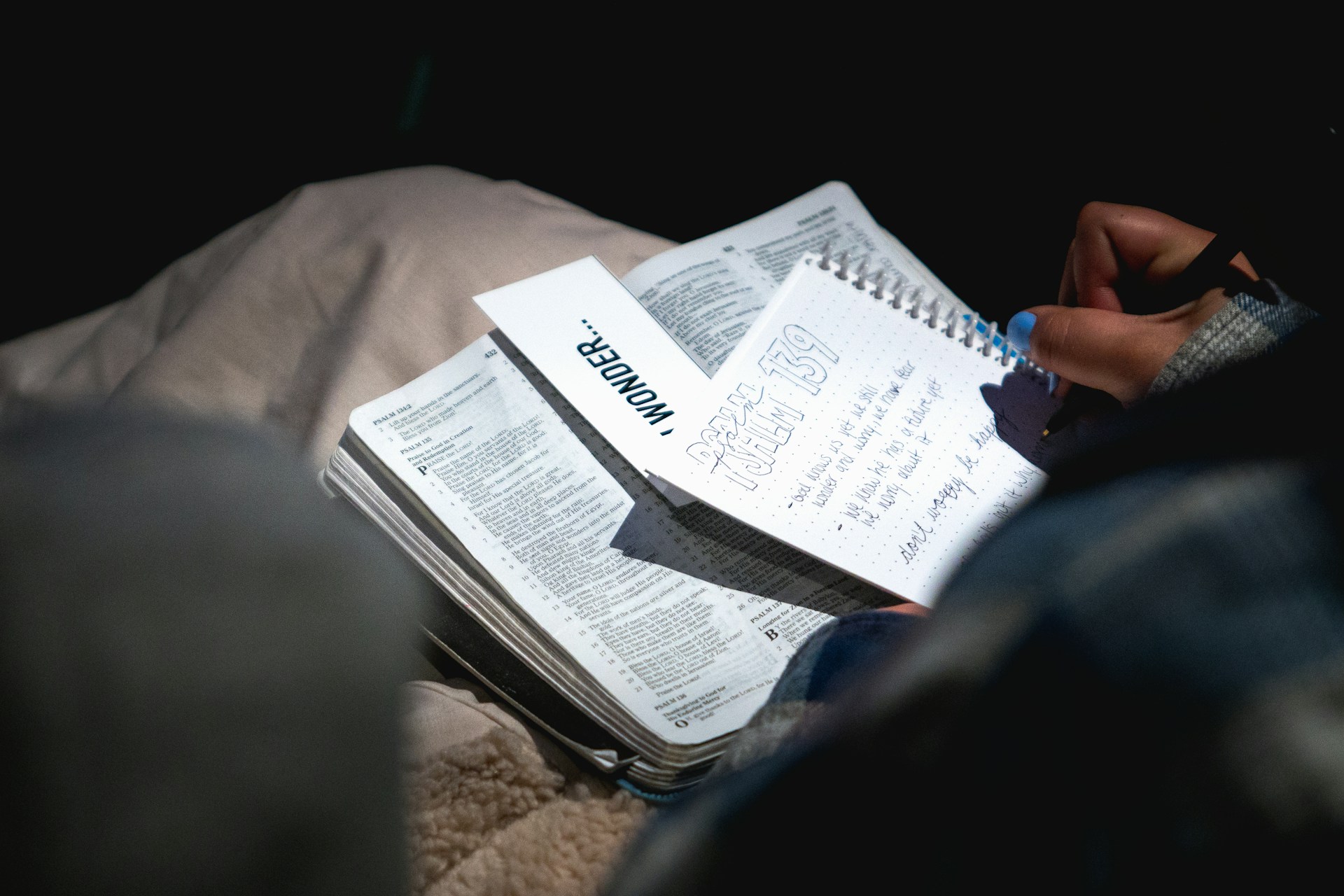
5 Day Devotional
This five-day devotional journey invites you to move from the empty tomb to an empty fear, letting the resurrection of Jesus reshape how you interpret every circumstance. As you reflect, ask God to align your belief and perspective so you can live with the confidence that, in Christ, your outcome is ultimately secure.
Day 1
John 20:11-16
Mary stood outside the tomb weeping, certain that loss had the final word. Her tears were real, but her conclusion was shaped by what she believed was possible. When grief becomes the lens, even Jesus can look like “the gardener,” and resurrection can feel like a rumor instead of reality.
The turning point came when Jesus called her by name: “Mary.” Resurrection was not merely an event to be analyzed; it was a Person who came near and spoke. The sermon reminded us that if belief is wrong, perspective will be wrong—and perspective shapes what we call “reality.” Today, let Jesus reintroduce Himself to you in the very place where you assumed only disappointment could live.
- Where are you most tempted to “stand outside the tomb” emotionally—replaying what feels lost or irreversible?
- What belief about God or yourself might be shaping that perspective more than Scripture is?
- What would change if you assumed Jesus is present in this situation, even if you don’t recognize Him yet?
- Spend five minutes in prayer asking Jesus to call you by name through His Word today; write what stands out.
- Identify one “tomb conclusion” you’ve been repeating (e.g., “It’s over,” “I’m stuck”) and replace it with a resurrection truth you can say aloud.
Day 2
Luke 24:5-6
The angel’s question confronts a common habit of the human heart: “Why do you seek the living among the dead?” Mary came expecting to manage a body, not meet a risen Savior. We do the same when we search for life in what cannot give it—old patterns, dead-end thinking, and fear-based predictions about our future.
Resurrection faith refuses to interpret today only by yesterday’s burial. The sermon proclaimed that whatever has held you down, the resurrection power of Christ calls you to rise above it. This does not deny pain; it denies pain the authority to define the ending. The grave is empty, and that means despair is never the final destination for the believer.
- What “dead place” are you looking to for answers—an old habit, a familiar worry, or a past failure?
- How does seeking the living among the dead show up in your daily thoughts or choices?
- Name one area where you’ve been acting as though the grave is still occupied; what would resurrection hope look like there?
- Choose one practical step today that aligns with life (reach out for help, confess sin, start again, forgive, apply for the job, rest well).
- Pray: “Lord, train my heart to look for You among the living realities of Your promises, not the dead weight of my fears.”
Day 3
Philippians 1:20-21
Paul’s confidence was not the absence of pressure; it was the presence of a settled belief. He expected not to be ashamed—not because circumstances would never be difficult, but because his boldness and identity were anchored in Christ. The sermon emphasized that circumstances do not get to rewrite belief when your life is “rested in Christ Jesus.”
Then Paul delivers the win-win: to live is Christ, to die is gain. If life continues, it is purposeful; if death comes, it is promotion into the presence of the Savior. That is why the enemy cannot ultimately threaten the believer—because your best outcome is not fragile. When your definition of success becomes “Christ honored in me,” you gain a stability that money, health, and human approval can never supply.
- What situation is currently trying to shame you or shrink your boldness?
- How have you been defining “winning” in that area—what outcome are you insisting must happen for you to have peace?
- What would it look like to say, sincerely, “to live is Christ” in your current season (work, family, finances, health)?
- Write one sentence of identity anchored in Christ (e.g., “My life belongs to Jesus, so my circumstances don’t own me”).
- Take one courageous step today that reflects boldness for Christ rather than fear of outcomes.
Day 4
John 19:30
At the cross, Jesus declared, “It is finished.” The sermon unpacked this as a stamped receipt: the debt is paid, the mission accomplished, the case closed. That means your standing with God is not maintained by panic, performance, or perfect circumstances—it rests on the completed work of Christ.
When you truly receive “It is finished,” you stop treating life like a trial where the verdict depends on today’s results. You may still face uncertainty, but the ultimate outcome is fixed: forgiven, accepted, held, and secured. This is the foundation for a win-win life—not because every event feels good, but because nothing can cancel what Jesus has completed on your behalf.
- Where do you feel pressure to “add something” to what Jesus has already done—through striving, guilt, or self-punishment?
- What accusation (internal or external) most often makes you feel like your case is still open?
- How does “It is finished” speak directly to that accusation? Write a short response using the language of Scripture.
- Practice a “receipt prayer” today: thank Jesus specifically for one debt He paid that you could never repay.
- Choose one anxious habit (doom-scrolling, rehearsing worst-case scenarios, self-criticism) and replace it with a finished-work habit (gratitude, confession and rest, worship, or a short Scripture meditation).
Day 5
Romans 8:11
The same Spirit who raised Jesus from the dead is not only a doctrine to admire; He is the power at work in believers. Resurrection is God’s declaration that endings are not as final as they look, and that weakness is not disqualifying when His life is present. The sermon’s encouragement was clear: what has held you down does not have the authority to hold you forever.
Living in a win-win reality means aligning your daily choices with resurrection power rather than circumstance-based emotions. You can rise above cycles of despair, intimidation, and fear of death because your life is hidden in Christ and energized by His Spirit. Today is an invitation to live upward—lifting your perspective, your habits, and your expectations to match what God has already made true in Jesus.
- What is one “holding pattern” you sense God calling you to rise out of—spiritually, emotionally, or relationally?
- Where do you need the Spirit’s power most right now: courage, purity, endurance, forgiveness, or hope?
- What daily practice would help you live from resurrection power this week (Scripture, prayer, community, service, Sabbath rest)?
- Who can you encourage with this message—someone who is “crying outside the tomb” and needs resurrection hope? Reach out to them today.
- Write a short declaration to carry forward: “Because Jesus lives, I will ______,” and take one concrete step that matches it.

Parent Guide
This guide is meant to equip you with discussion questions and conversation starters that you can use throughout the week to continue the conversation about what you and your kids learned on Sunday.
Sermon Summary
In case you missed it, or if you just need a refresher, here’s a quick summary of what we talked about this week in the sermon:
Because Jesus has risen and the tomb is empty, believers don’t have to live trapped by fear, shame, or circumstances—His resurrection power lifts us above every situation. Like Paul in Philippians 1, the sermon teaches a “win-win” faith: whether we live or die, we belong to Christ, because our debt is paid and our case is settled—“It is finished.”
Conversation Starters
These are things you can talk about with your kids to help further the conversation about what they may have learned on Sunday.
How have you found yourself “seeking the living among the dead” in a current situation—returning to old fears, labels, or coping patterns even though Jesus offers new life?
Mary went to the tomb expecting loss, but the resurrection meant her reality had changed. Discuss what “old tombs” you revisit mentally or spiritually and what it would look like to shift your expectation toward Christ’s living presence. Consider one practical step that signals you believe the grave is empty for that area of life.
What beliefs are shaping your perspective right now, and how can you tell when a belief is leading you to a distorted conclusion about your circumstances?
The sermon emphasized that belief drives perspective, and perspective shapes what feels “real.” Identify a belief you may be assuming (about God, yourself, or your future) and test it against what Jesus has accomplished. Talk about how your emotions, decisions, or self-talk reveal what you truly believe.
What does a “win-win” life in Christ look like for you personally, especially in areas where outcomes feel uncertain or disappointing?
Paul’s posture was that whether he lived or died, Christ was honored and he ultimately gained. Explore where you’ve tied “winning” to a specific result (job, money, health, approval) and how resurrection hope redefines success. Share how you might pursue faithfulness without being controlled by the outcome.
How does “It is finished” challenge the pressure you feel to prove yourself, fix everything, or earn God’s acceptance?
The sermon framed Jesus’ words as a settled case and a paid debt. Discuss where you still live as if something must be added—through perfectionism, shame, or constant striving. Consider what resting in Christ would change about your pace, priorities, and prayer this week.
What would it mean for you to hear Jesus call your name like Mary did, and how might that change the way you respond to grief, confusion, or fear?
Mary recognized Jesus when he spoke personally, not when circumstances immediately made sense. Talk about how God has gotten your attention before—through Scripture, community, conviction, or peace. Reflect on a current emotion you’re carrying and how personal assurance from Christ could reshape your next step.
Resurrection Service: Group Leader Guide
Sermon Recap 🎬️
The sermon centers on the resurrection of Jesus as the foundation for unshakable victory in a believer’s life. Using Mary’s grief at the empty tomb in John 20, the speaker shows how people can stand in the middle of a miracle and still miss it when their beliefs and expectations are wrong—Mary went looking for a dead Jesus among the living. The message is that what you believe shapes how you interpret your reality; the same situation can produce different conclusions depending on your faith perspective.
From Philippians 1:20–21, the sermon presents life with Christ as a “win-win” outcome: if we live, we live for Christ; if we die, we go to be with Christ, which is even better. This means circumstances—whether strength or weakness, plenty or lack, good days or hard days—do not determine a believer’s identity, value, or final outcome. The resurrection proves that the worst moment is not the last word, and God’s power can lift people above what has held them down.
The speaker emphasizes that Jesus has already completed the work of salvation: the debt for sin is fully paid, the mission is accomplished, and the case is settled. Because Jesus declared “It is finished,” believers are not meant to live intimidated by fear, including the fear of death, or by the feeling that something more must be done to earn victory. The practical takeaway is to redefine success and victory through Christ’s finished work: no matter how a situation turns out, the believer’s ultimate outcome is secure, and their life can honor Christ in every season.
“My physical reality does not define my inward values. It may not seem to be working, but ultimately I win.”
Discussion Questions 💬
How do your beliefs shape the way you interpret painful or confusing situations, and what might need to change in your “fundamental belief system” so your perspective aligns more with resurrection hope?
The sermon highlights that two people can see the same reality but reach different conclusions because their beliefs are different. Discuss where your current interpretations come from—past experiences, fear, culture, or Scripture—and what it would look like to let Jesus’ victory reframe your expectations. Identify one situation where you may be “looking in the tomb” and ask what resurrection truth speaks to it.
What are some “tombs” you keep returning to—places of disappointment, regret, or loss—and why do you think you go back there even when Jesus has already spoken promises of life?
Mary returned to the tomb expecting death, even though Jesus had foretold His resurrection. Explore what keeps you anchored to old narratives: the need for control, unanswered questions, or familiar grief. Consider what practices (prayer, community, Scripture, honest lament) help you release the tomb and look for the living Christ.
How does the idea of a “win-win situation” in Christ challenge the way you define success, victory, and a “good life” in your everyday decisions?
The sermon argues that outcomes like money, jobs, strength, or weakness don’t define a believer’s ultimate victory because Jesus has already finished the work. Talk about the definitions you’ve been using to measure your life and how they influence your emotions and choices. Then discuss what changes when your deepest “win” is honoring Christ whether things feel like they’re working or not.
What does “It is finished” mean for the way you handle guilt, striving, or the feeling that you must prove yourself to God or others?
The message emphasizes that the debt is paid and the case is settled—nothing needs to be added to Christ’s completed work. Reflect on where you still live as if you’re paying a debt through perfectionism, performance, or shame. Discuss practical ways to live from acceptance rather than for acceptance, including repentance, receiving grace, and setting healthier boundaries.
How does Paul’s statement “to live is Christ, and to die is gain” reshape your relationship with fear—especially fear of death, loss, or uncertainty—and what would courageous living look like this week?
Paul’s confidence wasn’t denial of hardship; it was a settled trust that his life and future belonged to Christ. Share what fears most influence your reactions and where those fears get “loudest.” Then identify one concrete act of faith—speaking truth, serving someone, taking a wise step forward—that expresses your belief that your outcome is secure in Jesus.
Prayer 🙏
- May we seek the Living One in living places, letting the empty tomb reshape our expectations and pull our hearts out of despair and into hope-filled action.
- May our beliefs be anchored in the resurrection so our perspective changes, choosing faith-filled conclusions even when the same facts could lead to fear or shame.
- May we embrace the win-win security of belonging to Christ, holding our circumstances lightly and living with courage whether outcomes feel favorable or not.
- May we rest in the finished work of Jesus—our debt paid and our case settled—releasing striving and walking in daily freedom from guilt, intimidation, and fear of death.
- May we recognize Christ’s presence even through tears and confusion, listening for our name and responding by sharing hope and rising above what once held us down.
Rewatch the Sermon 📼