No uploaded video found for this sermon.
The sermon teaches that God does not expect a flawless, error-free life. Scripture says the righteous may fall, but God will uphold them and help them rise again. Falling is not the end—staying down is. A true believer is marked by humility and honesty: acknowledging wrong, confessing sin, repenting, and continuing forward rather than excusing failure with an “it is what it is” attitude.
The core message is that mistakes do not have to define your life, but they also are not a license to keep sinning. Restoration is available when we take responsibility and turn back to God. Repentance is the first step to eternal life with Christ, and even after salvation, ongoing repentance matters because God’s help and advocacy are received by those who admit their wrong and seek change.
The sermon calls everyone to “reset” their relationship with God (and with others where needed) through truth, transparency, and honesty. The speaker prays for those who want restoration, asking God to renew their strength, grant grace to move forward, and empower a life that honors God. The service closes with a charge to stay current in walking with God—not living on past spiritual moments—and to let faith be shown through actions: reflecting Jesus, being quick to forgive, and living in a way that points others to Christ.
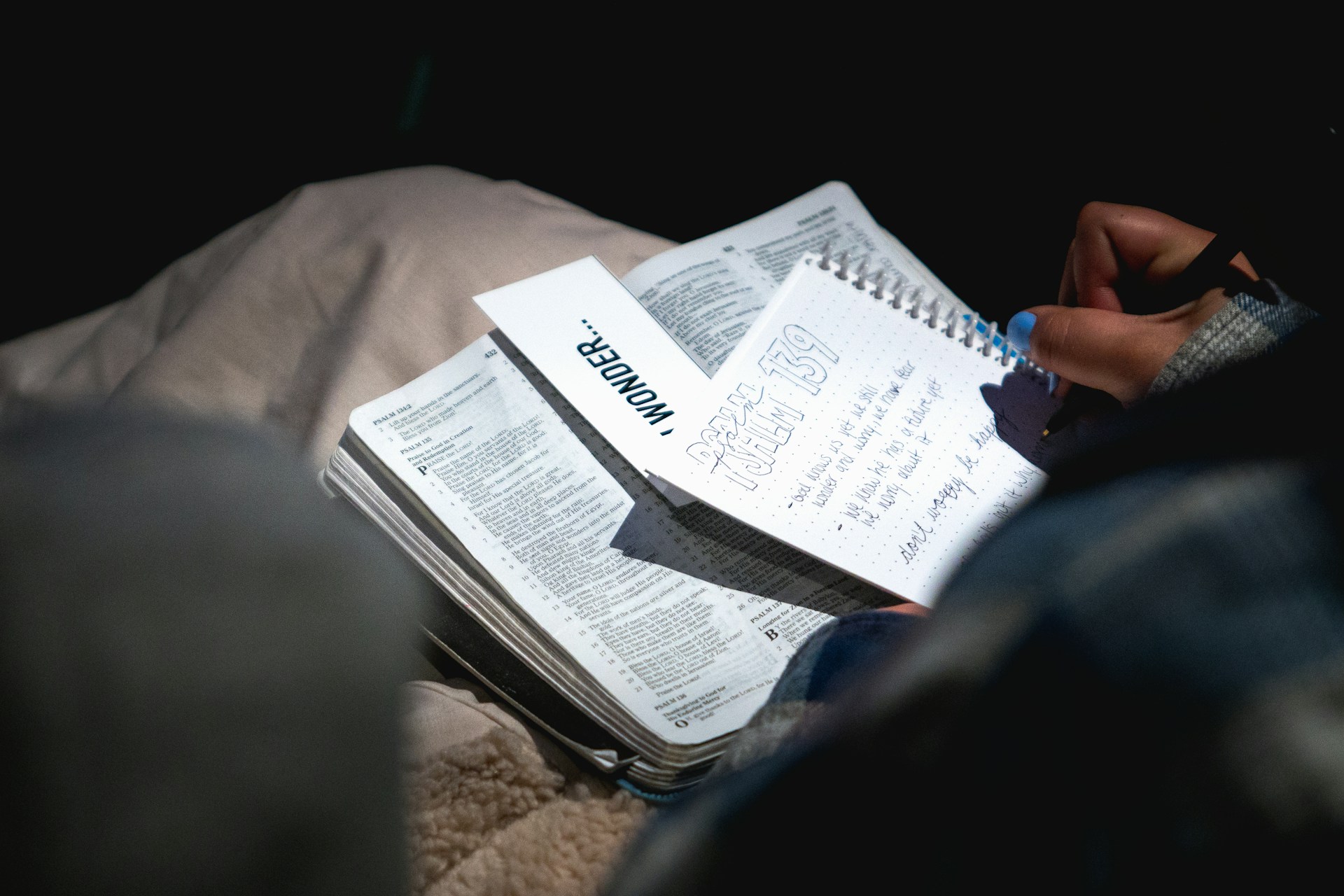
5 Day Devotional
This five-day devotional is a guided reset—helping you move from guilt and shame into honesty, repentance, and renewed intimacy with God. Each day builds a practical pathway: admitting the fall, receiving grace, restoring relationship, extending forgiveness, and walking forward with a life that reflects Jesus. Come as you are, but don’t stay where you’ve been.
Day 1
Proverbs 24:16
God never defined righteousness as a flawless record; He defined it as a life that keeps returning to Him. The sermon reminded us that only someone who is standing can fall—so a fall is not the end of your story, and it is not proof that you were never real. What matters is that you do not “stay falling,” but rise again by turning back to the Lord.
Today, let this verse dismantle perfectionism and despair at the same time. You are not given permission to sin, but you are given a promise of help when you stumble. The enemy wants your failure to become your identity; God wants your failure to become a doorway back into dependence, humility, and restoration.
- Where have you been tempted to believe, “My mistake defines me”? Name the lie specifically.
- What is one recent “fall” (attitude, action, omission) you need to bring into the light with God?
- What would “rising again” look like in one practical step you can take today?
- Do you tend to respond to failure with hiding, self-punishment, or surrender? What does that reveal about your view of God?
- Write a short prayer asking God for strength to stand back up and keep walking with Him.
Day 2
1 John 1:9
A relationship reset begins with truth—transparency, honesty, and agreement with God about what happened. Confession is not informing God; it is aligning your heart with His, refusing denial, and refusing the “it is what it is” attitude that leaves you stuck. The sermon emphasized that a true believer accepts wrong, confesses sin, repents, and marches on.
Repentance is more than feeling bad; it is a change of mind that leads to a change of direction. God’s promise is not vague optimism—He forgives and He cleanses. When you confess, you are not negotiating your worth; you are receiving God’s cleansing so you can walk forward without carrying hidden residue.
Make today a decisive moment: no excuses, no minimizing, no blaming. Honest confession clears the air in your soul and reopens the channel of intimacy with God.
- What have you been excusing or minimizing that God is asking you to name honestly?
- How is repentance different from regret in your own words?
- Is there a pattern you keep returning to? What “change of direction” would interrupt it this week?
- What do you fear will happen if you fully confess to God—rejection, punishment, disappointment? Bring that fear to Him.
- Choose one concrete act of repentance today (apology, boundary, accountability, removing a temptation). What will it be?
Day 3
1 John 2:1
God does not call you to pretend you will never stumble again; He calls you to stay in relationship when you do. The sermon pointed out that we have an Advocate, but there is no advocacy when we refuse to admit wrong. Jesus does not sponsor denial—He intercedes for honest sinners who come back home.
An advocate speaks on your behalf, not to erase reality, but to secure your standing. When you repent, you are not re-entering God’s family by performance; you are returning to the Father who already knows you and still invites you near. This is why shame is so destructive—it convinces you to run from the very One who can restore you.
Today’s reset is relational: come close again. Let Jesus’ advocacy renew your confidence, soften your heart, and strengthen your resolve to keep walking in a way that honors God.
- When you fail, do you run from God or toward Him? What habit would help you turn toward Him faster?
- What does it mean to you personally that Jesus is your Advocate?
- Where has shame kept you silent or isolated? Identify one way to break that silence wisely.
- How can you practice “staying current” with God instead of living on past spiritual moments?
- What is one worship, prayer, or Scripture practice you can do today to re-engage your relationship with God?
Day 4
Ephesians 4:32
A reset with God often exposes where our relationships with others need healing too. The sermon closed with a prayer that we would be quick to forgive and quick to release, because our actions should show others who Jesus truly is. Forgiveness is not pretending harm didn’t happen; it is choosing mercy over retaliation and entrusting justice to God.
Tenderhearted forgiveness flows from remembering how God treated us when we were wrong. When you receive grace and cleansing, you gain spiritual freedom to extend grace, set healthy boundaries, and let God handle what you cannot fix. This is not weakness; it is maturity rooted in Christ.
Today, ask God for the courage to release resentment and the wisdom to pursue reconciliation where possible. Whether the relationship is restored fully or not, forgiveness resets your heart so bitterness does not control your future.
- Who is one person you need to forgive, release, or stop rehearsing offenses about? Name them before God.
- What is the difference between forgiveness and reconciliation in your situation?
- Is there an apology you need to offer to someone you’ve hurt? What would humble ownership sound like?
- What boundary might be necessary to forgive wisely without enabling ongoing harm?
- Take one step today: pray a blessing, send a brief message, schedule a conversation, or write a letter (even if you don’t send it). What step will you take?
Day 5
Colossians 1:10
A relationship reset is not only about getting back to “okay”—it is about moving forward into a life that honors God more and more. The sermon prayed that we would not merely talk about Jesus, but reflect Him through actions. This is the steady work of walking with God daily, producing visible fruit and growing in deeper knowledge of Him.
Spiritual growth is not instant perfection; it is consistent direction. When you fall, you repent and rise. When you stand, you remain vigilant and grateful. Either way, the goal is the same: a life aligned with God’s pleasure, strengthened by His grace, and increasingly recognizable as belonging to Christ.
Today, choose a sustainable rhythm that keeps you “current” with God—so your faith remains alive, responsive, and outwardly evident. Your reset becomes your new normal when you keep walking, one obedient step at a time.
- What would it look like for your life to “honor God more and more” in your home, work, or relationships?
- What is one specific fruit (patience, kindness, self-control, honesty) God is inviting you to grow in next?
- What daily rhythm will help you stay current with God (Scripture, prayer, accountability, church community)?
- Where are you tempted to substitute words about Jesus for actions that reflect Jesus? Identify one change.
- Write a simple plan for the next seven days: one spiritual practice, one relational action, and one temptation to avoid. What is your plan?

Parent Guide
This guide is meant to equip you with discussion questions and conversation starters that you can use throughout the week to continue the conversation about what you and your kids learned on Sunday.
Sermon Summary
In case you missed it, or if you just need a refresher, here’s a quick summary of what we talked about this week in the sermon:
God doesn’t expect perfection without error—righteous people may fall, but with God’s help they get back up, repent, and keep moving forward. Your mistakes don’t define you, but refusing to acknowledge them and turn back to God will. Today is a call to reset your relationship with God through honesty, repentance, and restoration, trusting Him for renewed strength and a life that truly reflects Jesus.
Conversation Starters
These are things you can talk about with your kids to help further the conversation about what they may have learned on Sunday.
How do you typically respond when you realize you have fallen short, and what helps you move from shame or denial toward repentance and growth?
Many people either hide, excuse, or spiral when they fail, but the sermon emphasizes honesty, confession, and repentance as the path forward. Discuss what makes it hard to be truthful with God (and trusted people) and what practices help you “rise again” instead of staying down.
What does it look like in your life to believe that “mistakes do not define me” without turning that belief into a casual attitude toward sin?
The sermon holds two truths together: grace restores, and grace is not permission to ignore sin. Talk about the difference between receiving mercy and minimizing disobedience, and identify boundaries or habits that keep you accountable while still hopeful.
Why do you think the sermon says “only a person standing can fall,” and how does that change the way you view setbacks in your faith journey?
This reframes falling as something that happens to people who are actively walking, not people who have given up. Consider how setbacks could become signals to re-engage with God rather than reasons to quit, and share what “getting back up” looks like practically for you.
What parts of your relationship with God most need a “reset” right now, and what specific steps could you take this week to restore closeness?
A reset may involve prayer, Scripture, worship, confession, or repairing obedience in an area you have avoided. Name one concrete action you can take immediately and one longer-term change that would help you stay “current” rather than living on past spiritual experiences.
How might resetting your relationship with God change the way you handle relationships with others—especially forgiveness, releasing offenses, and making peace?
The closing prayer connects honoring God with quick forgiveness and actions that reflect Jesus. Discuss one relationship where you sense God inviting you to forgive, apologize, or set healthy boundaries, and what courage or wisdom you need to take that next step.
Relationship Reset 04-19-2026: Group Leader Guide

Sermon Recap 🎬️
The sermon explains that God never promised a flawless life, but a restoring grace. Scripture says the righteous may fall many times, yet God upholds them and helps them rise again. Falling is not the issue; staying down is. A believer’s mark is not perfection, but humility and readiness to admit wrong, confess sin, repent, and keep moving forward with God.
The speaker emphasizes that mistakes do not have to define a person’s life, but they are also not an excuse to continue in sin. The dangerous attitude is “it is what it is” or “whatever will be will be,” because a life with Christ begins with repentance and continues with ongoing honesty and surrender. Even after salvation, when someone falls short, God provides an advocate—but restoration requires truth, transparency, and repentance.
The message calls listeners to “reset” their relationship with God (and with others where needed). Those who feel distant, fallen short, or who have not yet begun a relationship with God are invited to respond, seek prayer, and return to Him. The closing prayers ask God to restore broken relationship, renew strength, grant grace to move forward, and help believers live in a way that truly reflects Jesus through actions—quick to forgive, quick to release, and committed to staying current in their walk with God rather than living on past experiences.
“My mistake does not define my life.”
Discussion Questions 💬
How do you typically respond when you realize you’ve fallen short, and what helps you move from denial or shame into honest repentance and forward motion?
The sermon emphasizes that righteousness isn’t perfection without error, but the willingness to get back up. Talk about practical steps that help you “accept your wrong” (naming it, confessing it, seeking accountability) and what makes you get stuck versus what helps you recover.
What does it look like in your life to believe that “my mistake does not define my life” without turning that into “it is what it is” or a casual attitude toward sin?
This tension invites a conversation about grace and responsibility: God restores, but restoration is not permission to stay the same. Discuss signs that you’re receiving grace rightly (changed direction, humility, renewed obedience) versus misusing grace (excuses, repetition without repentance, refusing correction).
Why do you think truth, transparency, and honesty are described as what God requires most, and where is it hardest for you to practice those with God and with others?
Honesty is the doorway to healing because it stops hiddenness and self-deception. Share specific areas where you’re tempted to hide, minimize, or blame-shift, and what safe relationships or spiritual practices help you become more transparent.
What relationships in your life might need a “reset” right now, and how could repentance, forgiveness, or a courageous conversation be part of restoring what’s been breached?
A reset can involve owning your part, asking for forgiveness, setting new boundaries, or rebuilding trust over time. Explore one concrete relationship step you could take this week and what fears or pride might resist that step.
How can a community group help someone who has fallen to rise again, and what kind of support do you personally need when you’re trying to “march on”?
The sermon highlights not staying down, which is often easier with encouragement, prayer, accountability, and practical help. Discuss what healthy support looks like (not condemnation, not enabling) and how your group can create a culture where confession leads to restoration and growth.
Prayer 🙏
- May we embrace the courage to get up again after we fall, trusting that our missteps do not define us when we choose to recover and keep moving forward.
- May we practice truth, transparency, and honesty with God and with one another, refusing denial and choosing a clear-eyed confession that leads to real change.
- May we respond to conviction with repentance rather than resignation, letting every correction become a reset that strengthens our walk and keeps us current in faith.
- May we pursue restored relationships—with God and with others—by taking concrete steps to mend what has been breached, and by seeking the grace to march forward in integrity.
- May our lives reflect Jesus not only in words but in actions, becoming people who forgive quickly, release freely, and honor God more and more throughout this week.
Rewatch the Sermon 📼