The sermon emphasizes that every believer has been “bought with a price,” and therefore must stop living as if they own themselves. The speaker explains that the cost of our salvation was not money, but the sinless blood of Jesus—shown vividly in Christ’s suffering and surrender in Gethsemane and His journey to the cross during Holy Week. Because God paid such a high price, our lives have great value to Him, and we are called to respond with grateful, intentional surrender.
A central point is that Jesus being Savior is not the same as Jesus being Lord. Salvation is received by grace, but Lordship requires an active decision of the will to yield our bodies, choices, and daily behavior to God. Quoting Romans 12:1 and 1 Corinthians 6:20, the message calls believers to “give your bodies to God” and honor God with your life—practically and consistently, not as a vague idea.
To make it concrete, the sermon uses a “network” illustration: a phone that isn’t fully owned may be locked to a specific network. In the same way, if we belong to Jesus, we should not “connect” ourselves to what dishonors Him. This includes rejecting sexual sin (described as something people knowingly walk into, not an accident), setting boundaries in relationships, and refusing to stay closely tied to influences that ignore God. The speaker warns that when the line between church and world becomes blurry, it weakens our witness and leads to compromise.
The sermon also highlights stewardship of the body: you only get one body, and your life choices matter. Honoring God should show up in real life—how you work, how you date, what you tolerate, who shapes your thinking, and whether you treat your body as the temple of the Holy Spirit. The conclusion is a call to live with clarity and courage: trials will come, but God is faithful, Christ has overcome the world, and believers must live like they truly belong to Him.
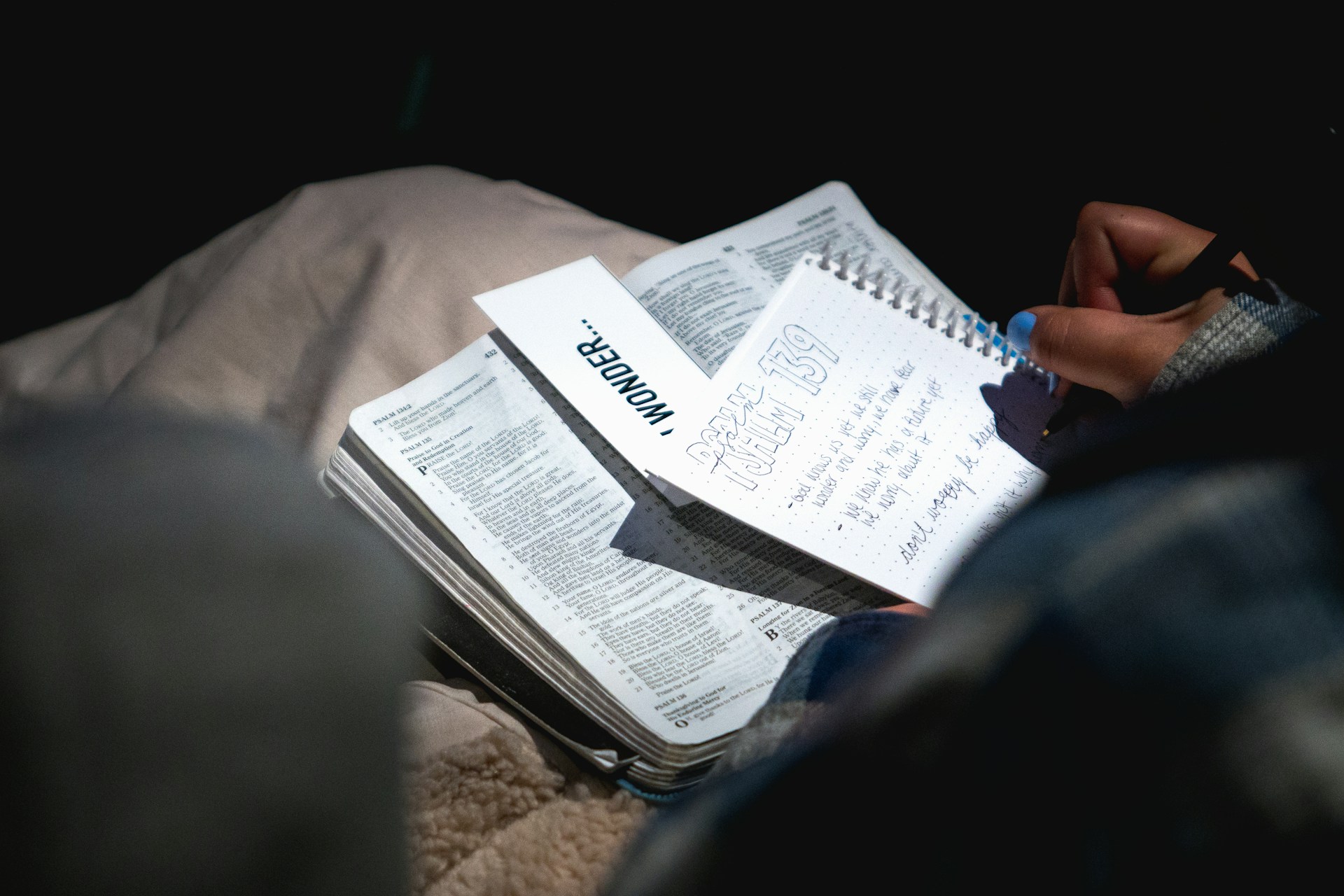
5 Day Devotional
This five-day devotional will help you respond to the sermon’s call to remember the price Jesus paid and to stop living as though you own yourself. Each day will guide you from understanding your value to making practical choices that align your body, relationships, and daily habits with God’s lordship.
Day 1
1 Corinthians 6:19-20
The sermon’s foundation is simple and confronting: you do not belong to yourself. Scripture says you were bought with a price, which means your life is not random, cheap, or disposable—it is claimed by God through the costly sacrifice of Jesus. When you remember the price, you also remember your value; God does not pay with His Son’s life for something meaningless.
Let this truth reshape how you view your body and your choices. Your body is not just “yours,” and it is not a tool for impulse or convenience; it is a temple of the Holy Spirit. Honoring God with your body begins with agreeing with God’s ownership and letting gratitude for redemption become the motive for obedience, not shame or fear.
- Where do you tend to think or act as if your body and time belong only to you?
- How does remembering the price Jesus paid change the way you view your worth today?
- What is one habit that would look different if you truly believed you are God’s temple?
- Pray a simple prayer of surrender: tell God specifically what area of your life you want Him to own more fully.
- Write down one boundary you will set this week to honor God with your body.
Day 2
Romans 12:1
Being “bought with a price” becomes personal when you choose to surrender. Romans calls this an act of worship: presenting your body to God. The sermon highlighted that Jesus can be Savior without being Lord in your daily decisions if you never intentionally yield your will—surrender does not happen automatically; it is a deliberate offering.
Surrender looks practical, not abstract. It means your body is not available for sin, compromise, or double-living, because it has been placed on God’s altar. Each day you can renew that offering with clear decisions—what you watch, what you touch, where you go, and what you allow to shape your desires—so that worship becomes embodied, not merely spoken.
- What is the difference between Jesus being your Savior and Jesus being Lord over your choices?
- In what area do you resist surrender because you fear losing control or comfort?
- What would it look like to “present your body” to God at the start of each day this week?
- Choose one specific decision point (media, dating, work, spending, sleep) where you will practice obedience today.
- Pray: “Not my will, but Yours,” and name one concrete action that aligns with that prayer.
Day 3
John 14:27
Surrender becomes harder when life feels unstable, when plans fail, or when temptation feels loud. Jesus told His disciples not to let their hearts be troubled, because He was preparing a place for them and would not abandon them. The sermon emphasized that trials do not mean God has left you; God’s faithfulness is not measured by your comfort but by His unchanging character.
Peace is not permission to drift; it is power to remain faithful. When you anchor your heart in Christ’s promises, you can make holy choices even when you feel pressured, lonely, or uncertain. His peace steadies you so you do not seek relief through compromise, but through trust and obedience that flows from knowing you belong to Him.
- What circumstances currently trouble your heart or make obedience feel difficult?
- Where do you usually look for comfort first: Christ’s promises or quick relief that weakens your integrity?
- How can God’s faithfulness reframe your situation without denying the reality of your struggle?
- Memorize John 14:27 (or write it out) and read it aloud when anxiety or temptation rises.
- Identify one trusted believer you can contact this week when your heart feels troubled, instead of isolating.
Day 4
1 Corinthians 15:33
The sermon warned that you cannot keep close company with people who consistently ignore God and expect it to have no effect. Scripture is clear that relationships shape desires, normalize behaviors, and dull conviction. If the line between church and world becomes blurry, it is often because we have allowed voices and environments to disciple us more than Christ does.
This is not about superiority; it is about stewardship. Since you belong to God, you must manage access to your life—who influences you, what they celebrate, and what they pressure you to treat as “normal.” Loving people does not require sharing their patterns; sometimes the most loving choice is to set boundaries that protect your devotion and keep your conscience clear.
- Which relationships or environments most influence your spiritual tone right now?
- What behaviors have become “normal” to you that would have been alarming a year ago?
- What boundary do you need to set to prevent compromise while still showing love and respect?
- Make a plan for one alternative: a godly community, small group, mentor, or friend who strengthens your faith.
- Pray for courage to honor God relationally, and for grace to handle necessary conversations with humility and clarity.
Day 5
Matthew 16:26
The sermon pressed a final reality check: gaining the world is a terrible trade if it costs your soul. Many compromises begin with a calculated thought—an intent, a plan, a story we tell ourselves about what we “deserve” or what “won’t matter.” But Jesus exposes the real math: anything you gain outside of obedience cannot repay what you lose in spiritual integrity and closeness with God.
Living like you belong to God means choosing long-term spiritual life over short-term satisfaction. It is remembering you have one body, one life, and a calling to honor God in practical ways—at home, at work, in dating, in private, and in public. When you live from your true ownership—God’s claim on you—you become clear, distinct, and free, not because rules changed you, but because love and lordship did.
- What “trade” are you most tempted to make right now—comfort for obedience, approval for holiness, pleasure for peace?
- What story do you tell yourself to make compromise feel reasonable or necessary?
- Name one area where you need to realign your life so that Jesus is not only Savior but Lord.
- Write a short personal commitment statement that begins with: “Because I belong to God, I will…”
- End the week by thanking Jesus for the price He paid and asking the Spirit to strengthen your daily choices.

Parent Guide
This guide is meant to equip you with discussion questions and conversation starters that you can use throughout the week to continue the conversation about what you and your kids learned on Sunday.
Sermon Summary
In case you missed it, or if you just need a refresher, here’s a quick summary of what we talked about this week in the sermon:
Jesus paid a very high price for our salvation, which shows our worth to God and means we no longer belong to ourselves. Because we belong to Christ, we must actively surrender our bodies and choices to Him—honoring God in purity, relationships, and daily work instead of blending in with the world. Even in trials, we stay encouraged and steadfast because Jesus has overcome the world and is preparing a place for us.
Conversation Starters
These are things you can talk about with your kids to help further the conversation about what they may have learned on Sunday.
How does the idea that you have been “bought with a price” reshape the way you view your worth and the way you treat your body day to day?
The sermon connects Jesus’ sacrifice to both your value and your responsibility: you are not worthless, and you are not disposable. Discuss what practices (rest, boundaries, purity, health, honesty) would change if you truly believed your body is God’s possession and temple.
What areas of your life reveal that you live as if you own yourself, and what would surrender look like in those specific areas?
The message emphasizes that Jesus being Savior does not automatically mean He is Lord over choices; surrender is an act of the will. Talk about concrete decisions—sexual integrity, entertainment, spending, time, work ethic—where you need to move from “my will” to “Your will.”
Why do you think the sermon insists that people don’t “fall into” sexual sin but often walk into it with intention, and what steps help interrupt that pathway earlier?
This reframes sin as a series of choices (thoughts, settings, secrecy, repeated compromises) rather than an accident. Share what early warning signs you’ve noticed in yourself and what practical guardrails—accountability, boundaries, limiting access, spiritual habits—help you choose differently.
What does it mean for your “network” to connect only to God’s purposes, and how can you tell when your influences are pulling you off that connection?
The phone/network illustration points to ownership and compatibility: what you belong to shapes what you can connect with. Discuss how relationships, media, and environments either strengthen faith or numb conviction, and how to make changes without becoming judgmental or isolated.
How can you honor God with your body in a way that is practical rather than vague, and what would be one change you could start this week?
The sermon argues that “honor God with your body” must be broken down into real behaviors and habits. Identify one specific action—ending a compromising situation, improving sleep or nutrition, setting dating boundaries, practicing self-control, serving faithfully at work—that reflects living like you belong to God.
Bought with a price | Living like you belong to God | Part 2. 03-29-2026: Group Leader Guide
{ Speaker Name }
Sermon Recap 🎬️
The sermon centers on the truth that believers have been “bought with a price,” so they must stop living as if they own themselves. The speaker explains that the cost of our salvation was not money but the suffering and sinless blood of Jesus—an incredibly high price that shows both the seriousness of sin and the value God places on each person. Because Jesus willingly submitted to the Father’s will, even in agony, Christians are called to respond with surrendered lives.
A key point is the difference between accepting Jesus as Savior and submitting to Him as Lord. Salvation is received by grace, but living under Jesus’ lordship requires an intentional decision of the will to surrender our bodies and choices to God. The sermon emphasizes that this surrender is practical, not theoretical: honoring God with your body means you refuse to offer your body to sin, temptation, or the devil.
The speaker warns against a blurred line between church and the world. He urges believers to manage relationships wisely and not stay closely connected to people and environments that ignore God and normalize ungodly behavior. Sin—especially sexual sin—is described as something people usually walk into knowingly, through patterns of thought and intentional choices, not accidental mistakes.
Using an illustration of a phone and a network, the sermon teaches that what you belong to determines what you connect to. If you belong to Christ, your “connection” should be to His ways and His truth, not to influences that pull you away. The message also includes encouragement from Jesus’ words that troubles and tribulations will come, but God remains faithful and Christ has overcome the world.
The closing challenge is clear: you only have one body, and it is the temple of the Holy Spirit. Since Christ paid for you, your life is no longer your own—so choose daily to surrender, honor God with your body, and live like you truly belong to Him.
If Jesus is my Savior, but not the Lord over my life choices, then I have accepted grace without truth.
Discussion Questions 💬
How does truly understanding the “price” Jesus paid change the way you view your value and the way you treat your body this week?
The sermon connects the cross to both the seriousness of sin and your worth to God—Jesus didn’t die for something meaningless. Reflect on what habits, entertainment, relationships, or health choices might shift if you lived from the conviction that you are deeply valued and purchased by God.
What does it look like in your daily routines to stop living like you own yourself and instead surrender your choices to Jesus as Lord?
The message emphasizes that salvation is received, but lordship involves an intentional act of the will to surrender. Talk about specific “decision points” (speech, money, sexuality, time, work ethic) where you can practice asking, “What would honor God with my life right now?”
Why do you think the line between church and the world can become blurry, and what boundaries or practices help you stay distinct without becoming judgmental?
The sermon warns that constant exposure to voices that ignore God slowly shapes our desires and standards. Consider what rhythms—Scripture, prayer, accountability, worship, wise friendships—help you remain loving and present in the world while still clearly belonging to Jesus.
How do your friendships and relationships influence your ability to honor God, and what changes might you need to make in who has access to you?
The sermon frames relationships like “networks” you connect to—some connections pull you away from honoring God. Discuss what it means to manage relationships with wisdom: not isolating, but choosing close influence carefully and having courage to step back from patterns that normalize sin.
What are the most common thought patterns or justifications that lead people into sexual sin, and how can you interrupt that process earlier with truth and accountability?
The sermon challenges the idea that people “fall” into sin, emphasizing intention and mental preparation long before the act. Identify early warning signs (private compromises, secrecy, rationalizations) and talk about practical interruptions like confession, boundaries, changing inputs, and inviting trusted believers into your decisions.
Prayer 🙏
- May we remember the high price paid for our freedom and let that truth reshape how we treat our bodies, choices, and time.
- May we stop living as if we own ourselves, practicing daily surrender so our decisions reflect belonging to God rather than personal impulse.
- May we honor God with our bodies in practical ways—choosing purity, integrity, and stewardship in what we do, watch, say, and plan.
- May we draw clear boundaries in our relationships, seeking community that strengthens faith and stepping back from influences that normalize disobedience.
- May we face trials without panic, letting God’s faithfulness steady our hearts and motivate faithful obedience even when life does not go as planned.
Rewatch the Sermon 📼